Beyond Horsepower: What Really Matters in a Long-Haul Truck?
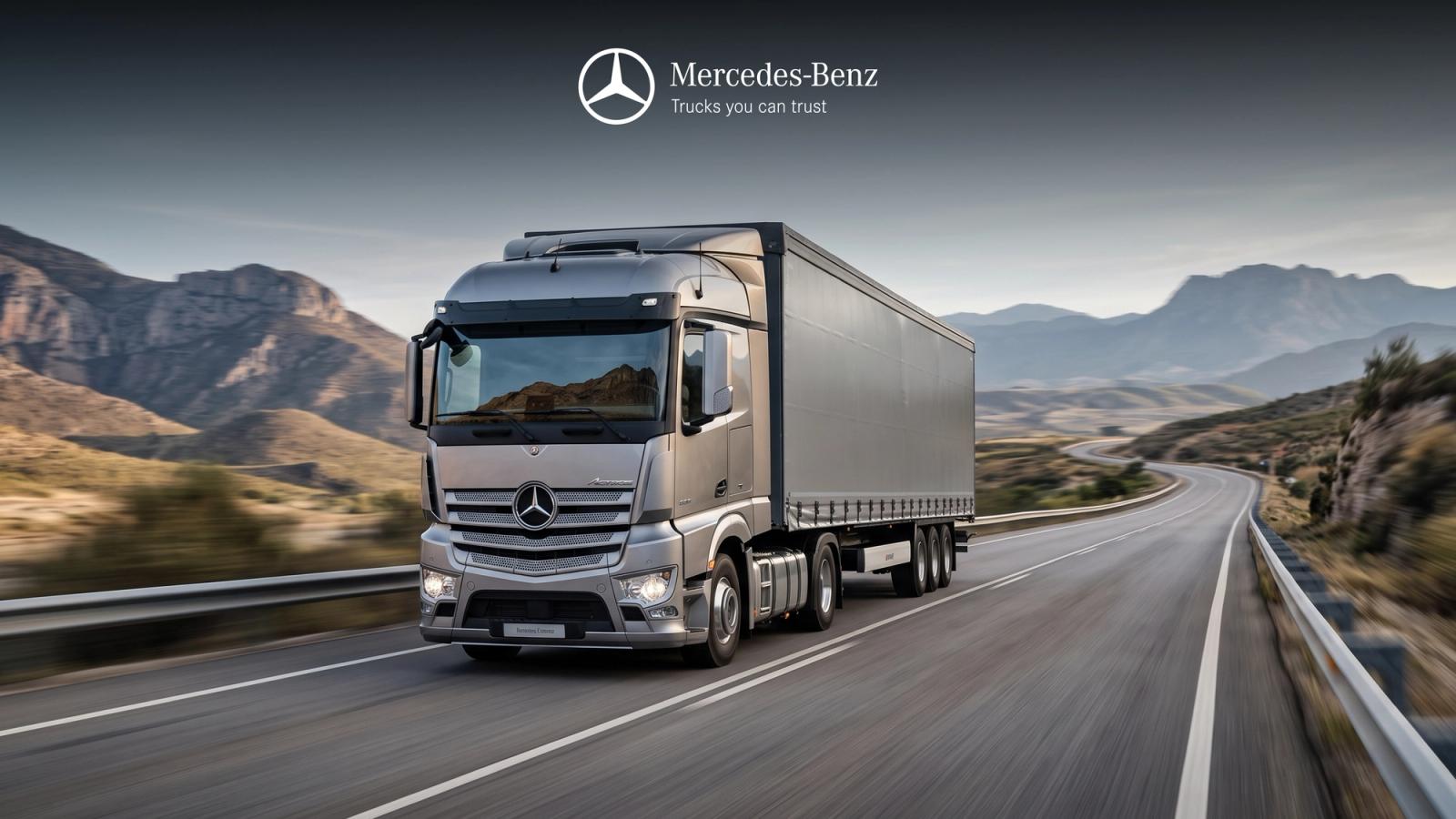
Ask someone what makes a good heavy truck and the first answer is often power.
But for a business operating long routes, engine output is only one part of the decision.
The truck must also fit the route, load, driver, operating schedule and wider cost of keeping the vehicle working.
1. Efficiency Over Distance
Long-haul vehicles repeat the same operating costs kilometre after kilometre.
That makes drivetrain efficiency and aerodynamic design important considerations when evaluating a truck for long-distance use.
Mercedes-Benz Trucks develops the Actros L specifically around long-haul efficiency.
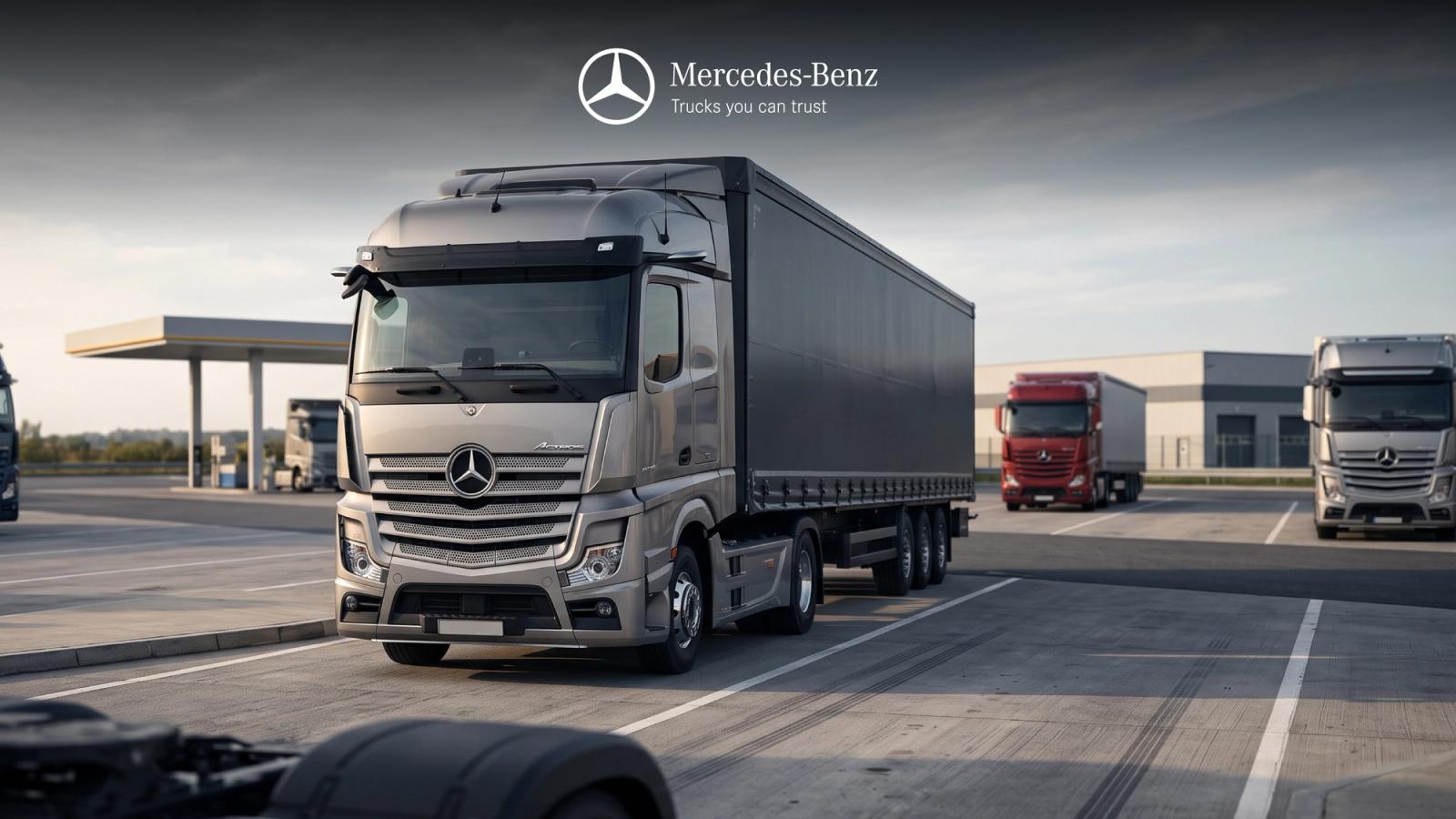
2. Driver Environment
A driver may spend much of the working day inside the vehicle.
Cab space, controls, visibility and rest facilities therefore become practical operating considerations rather than simple comfort extras.
3. Safety Support
Modern assistance systems can support drivers in different road situations.
Depending on specification, current Mercedes-Benz Trucks technologies include systems designed to assist with braking, vehicle proximity, attention monitoring and surrounding traffic awareness. These systems support the driver but do not replace the driver’s responsibility.
4. Reliability and Service Planning
The right truck must also fit the business behind it.
Maintenance planning, service support and vehicle availability all contribute to how effectively a fleet can schedule work.
5. The Correct Configuration
Not every long-haul operation has identical requirements.
Axle configuration, cab type, engine specification and application should be selected around the actual job rather than appearance alone. Mercedes-Benz Trucks offers different Actros L configurations for varying operating requirements.
Conclusion
The best long-haul truck is not simply the one with the biggest number on the specification sheet.
It is the one whose efficiency, driver environment, technology and configuration work together for the business behind it.